
Data Science and Applied Artificial Intelligence MSc
Start Dates
21 September 2026, 11 January 2027
Duration
1 year full-time
Overview
Why choose Huddersfield for this course?
- Develop in-demand skills across three key areas: data science, artificial intelligence and applied computing.
- No prior computer science background required; you'll be supported in developing skills from beginner level.
- Supports progression towards SAS certification.
Accreditation and Professional Links
Recognised connections to give you an extra edge when you graduate.
Our Data Science and Applied Artificial Intelligence MSc is a conversion course designed for those who want to move into one of the most exciting and fast-growing areas of computing, but have no prior knowledge or experience in data science or artificial intelligence. It offers a clear and supportive route into the field, building your knowledge step by step from core concepts through to advanced, applied techniques.
You will learn how to work confidently with data, develop intelligent models and generate insights that support real-world decision making. The course covers key areas including statistical analysis, machine learning, data mining, big data technologies and data visualisation, helping you understand how organisations use data and AI to solve complex problems, improve services and drive innovation. Alongside technical skills and practical programming experience using Python, R, and MATLAB, you will develop the ability to critically assess emerging technologies, recognising where they add value and where their limitations lie in practical contexts.
A major project forms a central part of the course, allowing you to explore a data or AI-focused challenge aligned to your interests or career ambitions. The course also supports progression towards SAS certification, strengthening your professional profile and employability.
Career opportunities after the course *
Data Scientist
Data Engineer
Data Analyst
Machine Learning Engineer
Software Engineer
*Lightcast
Entry Requirements
Entry requirements for this course are normally:
- A BSc, BEng or BA Honours degree (2:2 or above) or equivalent professional qualification in any subject.
- Other appropriate professional qualifications and/or experience will be considered on an individual basis.
If your first language is not English, you will need to meet the minimum requirements of an English Language qualification. The minimum for IELTS is 6.0 overall with no element lower than 5.5, or equivalent. Read more about the University’s entry requirements for students outside of the UK on our International Entry Requirements page.
Course Details
Teaching and Assessment
Discover what to expect from your tutor contact time, assessment methods, and feedback process.
Your Career
Graduates of Data Analytics MSc can progress into a range of data-focused and technical roles across sectors including technology, finance, healthcare, retail and government. Many pursue careers as Data Scientists, Data Analysts or Business Analysts, using data-driven insights to support decision-making and strategy. Opportunities also include roles such as Data Engineer or Software Engineer, building and maintaining the systems that enable effective data processing and analysis. These skills are increasingly in demand as organisations look to harness data to drive innovation and performance.
Source: Lightcast data extracted from the Graduate Career Explorer
98% of the University's postgraduate students go on to work and/or further study within fifteen months of graduating.
* HESA Graduate Outcomes 2022/23, UK domiciled.
£38,500 The average salary of our postgraduates fifteen months after graduating.
* HESA Graduate Outcomes 2022/23, mean salary, UK domiciled, full-time UK employment as main activity.
The learning environment provided me with cutting-edge skills and the confidence to succeed in a competitive job market. After completing my MSc, I secured a role as a Senior Analyst with E.ON UK Plc. My time at Huddersfield was transformative, setting me on a path to a fulfilling career.
- Lucia Nnami
Data Analytics MSc Graduate
Fees and Finance
This information is for Home students applying to study at the University of Huddersfield in the academic year 2026/27.
Please note that tuition fees for subsequent years may rise in line with inflation (RPI-X) and/or Government policy.
For detailed information please visit our fees page.
This information is for international students applying to study at the University of Huddersfield in the academic year 2026/27.
Please note that tuition fees for subsequent years may rise in line with inflation (RPI-X) and/or Government policy.
For detailed information please visit our international fees and funding page.
Scholarships and Bursaries
Discover what additional help you may be eligible for to support your University studies.
Tuition Fee Loans
Find out more about tuition fee loans available to eligible postgraduate students.
What’s included in your fee?
We want you to understand exactly what your fees will cover and what additional costs you may need to budget for when you decide to become a student with us.
If you have any questions about Fees and Finance, please email the Student Finance Team.
Gallery
See below for a glimpse at some of our facilities
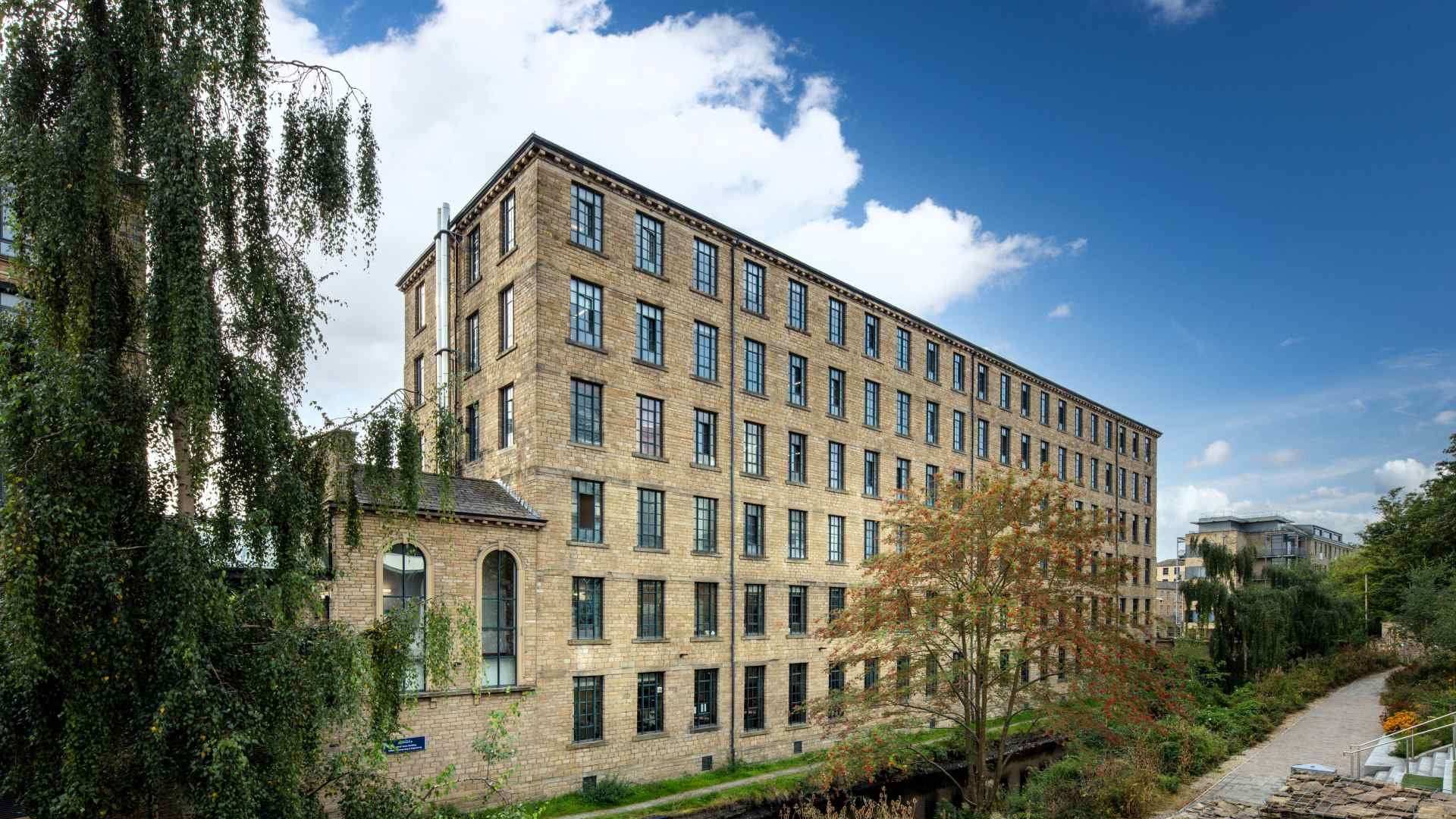
The Spärck Jones Building

The Study Mill

A wide range of computing labs
Explore More

Sign up for Emails
Find out more about postgraduate study at Huddersfield and stay updated with the latest news and events.
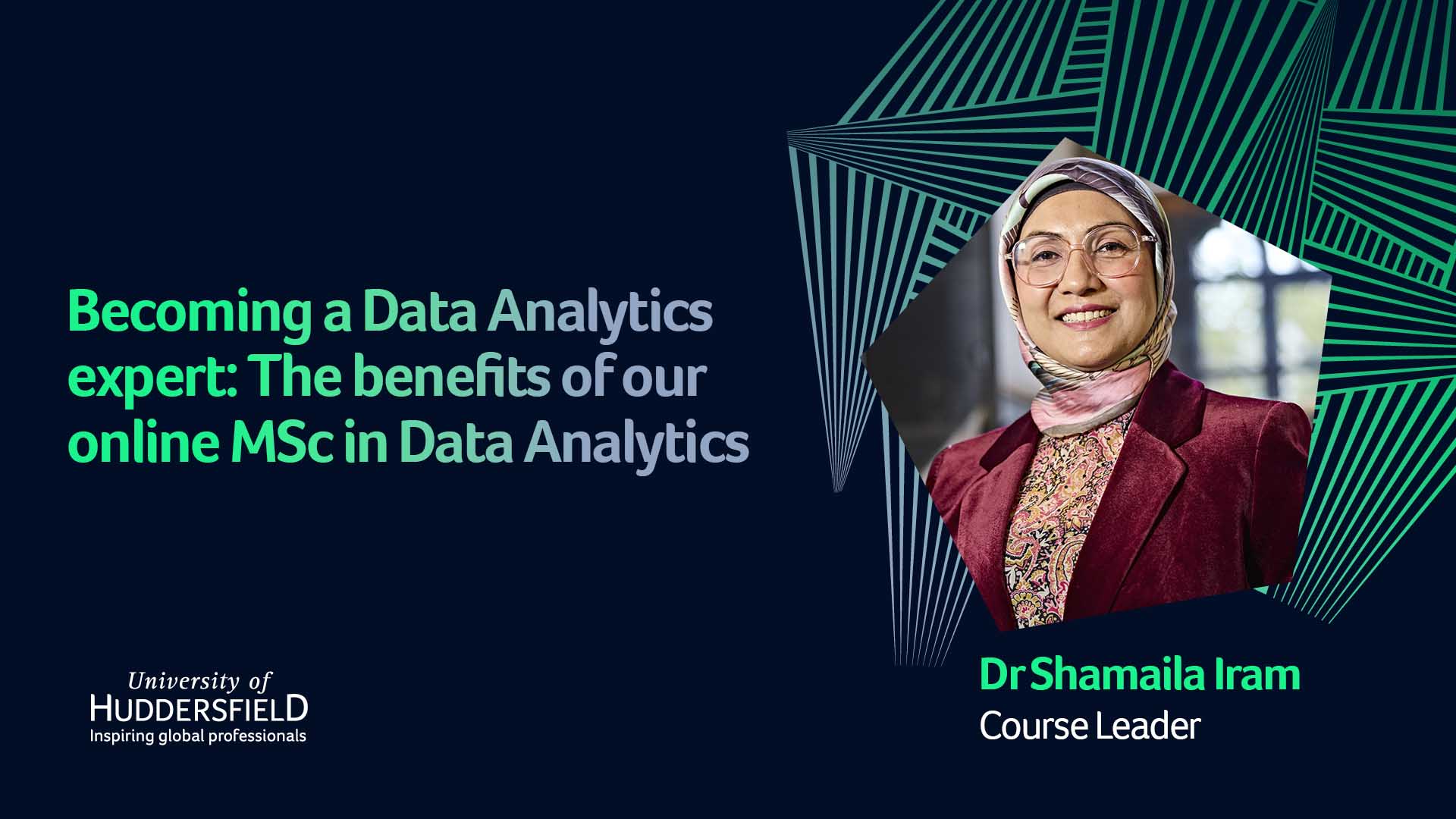
Watch our on-demand webinar
Join Dr Shamaila Iram, Senior Lecturer and Course Leader, to explore our online Data Analytics MSc and dive into the course content and key benefits.
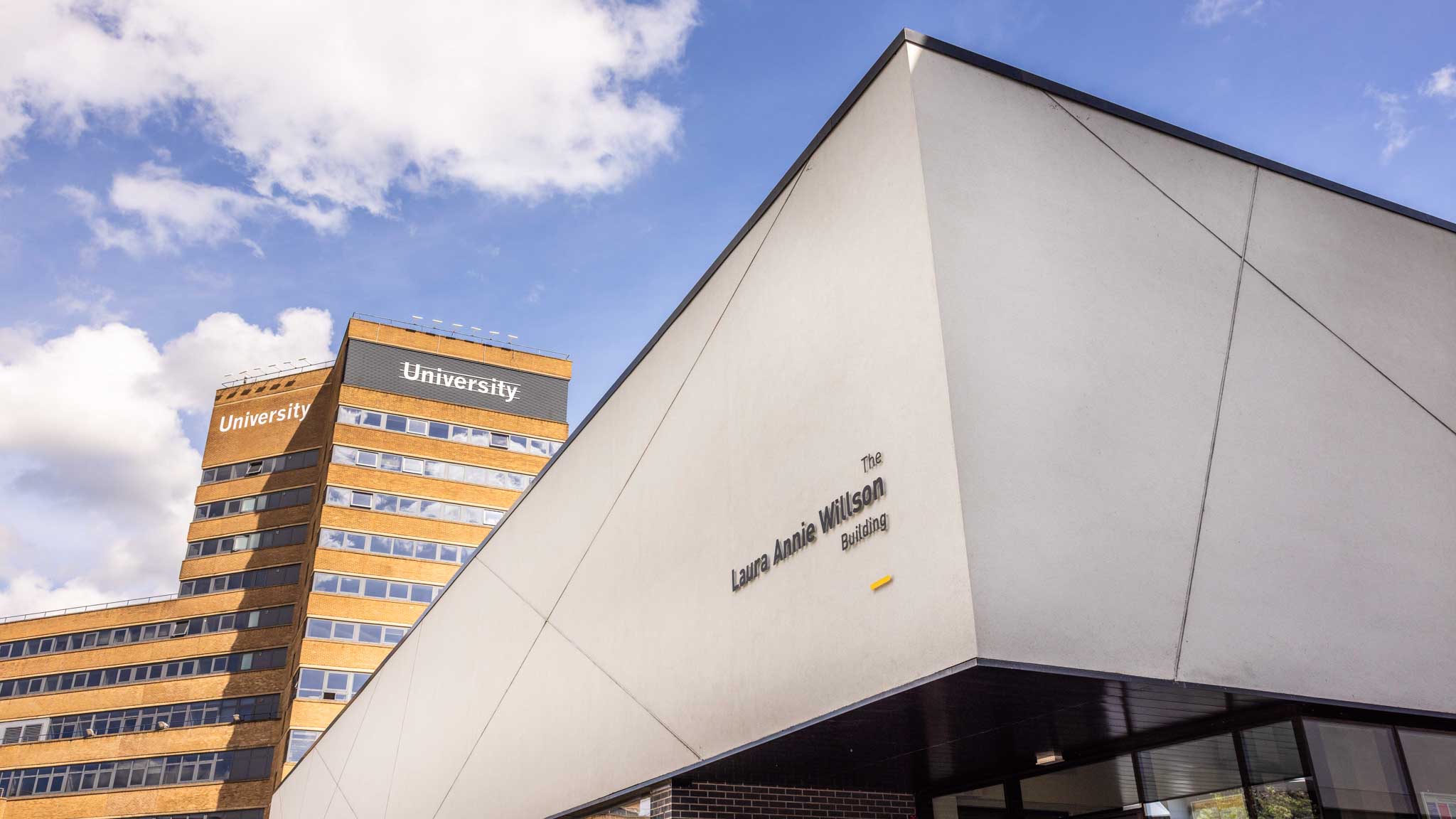
The Institute for Applied Artificial Intelligence
The Institute is a cross-disciplinary hub driving innovation in applied AI, connecting research, industry partnerships and real-world impact.
Why Hud
Explore the unique opportunities and resources that make our institution a top choice for students seeking a well-rounded and future-focused education.

Explore Huddersfield
Make Huddersfield your home. A Yorkshire town, surrounded by beautiful countryside, with easy access to neighbouring cities; Leeds, Manchester and Sheffield. You’ll find plenty of places to eat, drink, shop and socialise, there’s ambitious plans for future development. Our campus is situated next to the town centre - making your commute a breeze.
Find out more
Your Student Experience
Get involved in great opportunities helping you to make friends from all across the world and create lifelong memories. Join one of over 100 societies with the Students’ Union, experience new cultures through global events, earn whilst you learn and build your skills via our Global Professional Award.
Learn more
Budget Friendly
Huddersfield is not only one of the friendliest towns, it also offers you a lower cost of living than most big cities. This means you could have more money to spend, making your uni experience even better. On campus you’ll also find plenty of facilities and services to help you budget and make your money go further.
Find out more
Sustainability Matters
We’re committed to sustainability and aim to be carbon neutral by 2030. Our plan includes reducing emissions, enhancing biodiversity, and improving wellbeing through sustainable buildings. We’re investing in digital solutions, low-impact travel, and embedding sustainability into teaching and research, investing over £1m in carbon reduction.
Find out more
Committed to Your Future
Since 2015, we’ve invested £198 million to create spaces where you can learn, collaborate and thrive. We’re continuously investing in our campus with your wellbeing in mind—adding features that make our buildings healthier, more supportive and better places for you to succeed.
Read more