
Computer Science MSc
Start Dates
20 September 2027, 10 January 2028
Duration
1 year full-time
Overview
Why choose Huddersfield for this course?
- Gain advanced skills and knowledge across AI, Cyber Security and Data Science, the core domains, shaping today’s digital world.
- Develop practical, industry-relevant expertise in designing, building and evaluating modern computing systems.
- Build practical experience in specialist laboratories using industry-standard tools and facilities.
Accreditation and Professional Links
Recognised connections to give you an extra edge when you graduate.
From the software we use every day to the systems that support global digital infrastructure, computer science sits at the heart of modern technology. Our Computer Science MSc enables you to deepen your understanding of advanced computing while developing the skills needed to design and build reliable, high-performance systems.
On this course, you will explore both the theoretical foundations and practical techniques that underpin contemporary computer science. You will study topics such as software engineering, advanced data mining, applied artificial intelligence, machine learning and secure system design, developing the ability to select and apply appropriate computational methods to solve complex problems.
Alongside technical knowledge, the course emphasises the design, implementation and evaluation of high-quality computing solutions using modern tools, programming languages, frameworks and development practices. You will also consider important professional issues such as security, ethics and the wider social impact of digital technologies.
A substantial individual project forms a key part of the MSc, allowing you to apply your knowledge to a realistic computing challenge aligned with your interests or career ambitions. This prepares you for roles in areas such as software engineering, data and AI-enabled systems, cyber security, or for further research-focused study.
This course is also offered part-time, distance learning. Find out more about Distance Learning at Huddersfield.
Career opportunities after the course *
Software Engineer
Data Engineer
Data Analyst
Solutions Architect
Systems Engineer
*Lightcast
Entry Requirements
Entry requirements for this course are normally:
- A BSc or BEng Honours degree (2:2 or above) in Computing or related subject or an equivalent professional qualification. For applicants who received their degree more than 10 years ago, we will need evidence to demonstrate current knowledge in the subject area, such as reference letters, training certificates or significant relevant work experience.
- Other qualifications and/or experience that demonstrate appropriate knowledge and skills at an Honours degree level.
If your first language is not English, you will need to meet the minimum requirements of an English Language qualification. The minimum for IELTS is 6.0 overall with no element lower than 5.5, or equivalent. Read more about the University’s entry requirements for students outside of the UK on our International Entry Requirements page.
Course Details
For more information on when and how we update our modules please see the ‘Legal Information’ section below.
Teaching and Assessment
Discover what to expect from your tutor contact time, assessment methods, and feedback process.
Your Career
Graduates of the Computer Science MSc can progress into a wide range of technical and analytical roles across industries including technology, finance, healthcare, and the public sector. Many pursue careers as Software Engineers, Data Engineers, Systems Engineers or DevOps Engineers, designing and maintaining digital systems and infrastructure. Opportunities also include specialist roles such as Data Analyst, Data Scientist, Security Engineer and Solutions Architect, applying expertise to solve complex challenges and support organisational innovation. These skills are highly sought after by tech companies, consultancies, start-ups and large multinational organisations.
Source: Lightcast data extracted from the Graduate Career Explorer
98% Percentage of the University's postgraduate students go on to work and/or further study within fifteen months of graduating.
* HESA Graduate Outcomes 2022/23, UK domiciled.
£38,500 The average salary of our postgraduates fifteen months after graduating.
* HESA Graduate Outcomes 2022/23, mean salary, UK domiciled, full-time UK employment as main activity.
"My degree hugely lifted my knowledge and provided me so much knowledge within this industry. My experience, with my BSc and Master's degree helped me to get my current job on software development."
- Henry Chung
Computing MSc Graduate
Fees and Finance
This is the tuition fee for 2026/27 entry. Tuition fees for 2027/28 will be published once the information becomes available.
This information is for Home students applying to study at the University of Huddersfield in the academic year 2026/27.
Please note that tuition fees for subsequent years may rise in line with inflation (RPI-X) and/or Government policy.
For detailed information please visit our fees page.
This is the tuition fee for 2026/27 entry. Tuition fees for 2027/28 will be published once the information becomes available.
This information is for international students applying to study at the University of Huddersfield in the academic year 2026/27.
Please note that tuition fees for subsequent years may rise in line with inflation (RPI-X) and/or Government policy.
For detailed information please visit our international fees and funding page.
Scholarships and Bursaries
Discover what additional help you may be eligible for to support your University studies.
Tuition Fee Loans
Find out more about tuition fee loans available to eligible postgraduate students.
What’s included in your fee?
We want you to understand exactly what your fees will cover and what additional costs you may need to budget for when you decide to become a student with us.
If you have any questions about Fees and Finance, please email the Student Finance Team.
Gallery
See below for a glimpse at some of our facilities
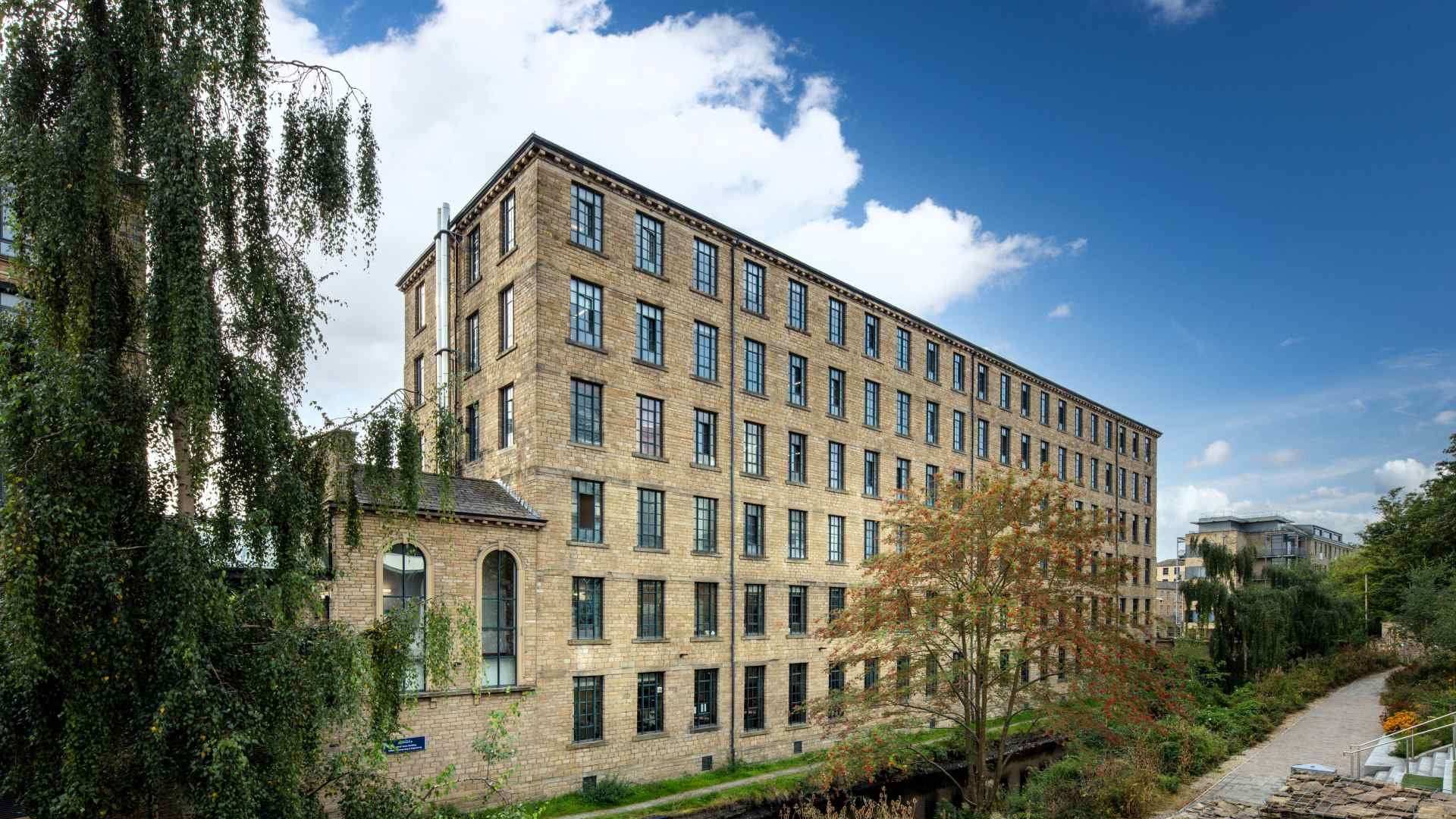
The Spärck Jones Building

The Study Mill

A wide range of computing labs
Explore More

Sign up for Emails
Find out more about postgraduate study at Huddersfield and stay updated with the latest news and events.

Our research centres
The Department of Computer Science is home to a number of world-class research centres and institues, each exploring global grand challenges in areas such as transport, health, security and energy.
Why Hud
Explore the unique opportunities and resources that make our institution a top choice for students seeking a well-rounded and future-focused education.

Explore Huddersfield
Make Huddersfield your home. A Yorkshire town, surrounded by beautiful countryside, with easy access to neighbouring cities; Leeds, Manchester and Sheffield. You’ll find plenty of places to eat, drink, shop and socialise, there’s ambitious plans for future development. Our campus is situated next to the town centre - making your commute a breeze.
Find out more
Your Student Experience
Get involved in great opportunities helping you to make friends from all across the world and create lifelong memories. Join one of over 100 societies with the Students’ Union, experience new cultures through global events, earn whilst you learn and build your skills via our Global Professional Award.
Learn more
Budget Friendly
Huddersfield is not only one of the friendliest towns, it also offers you a lower cost of living than most big cities. This means you could have more money to spend, making your uni experience even better. On campus you’ll also find plenty of facilities and services to help you budget and make your money go further.
Find out more
Sustainability Matters
We’re committed to sustainability and aim to be carbon neutral by 2030. Our plan includes reducing emissions, enhancing biodiversity, and improving wellbeing through sustainable buildings. We’re investing in digital solutions, low-impact travel, and embedding sustainability into teaching and research, investing over £1m in carbon reduction.
Find out more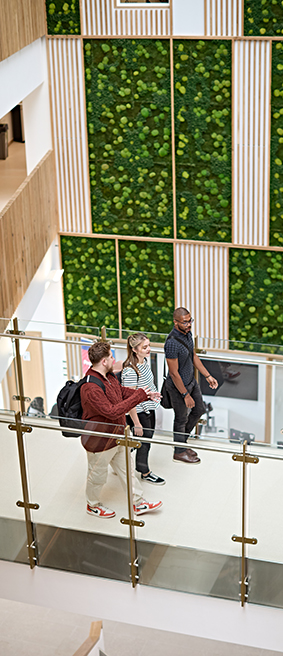
Committed to Your Future
Since 2015, we’ve invested £198 million to create spaces where you can learn, collaborate and thrive. We’re continuously investing in our campus with your wellbeing in mind—adding features that make our buildings healthier, more supportive and better places for you to succeed.
Read more